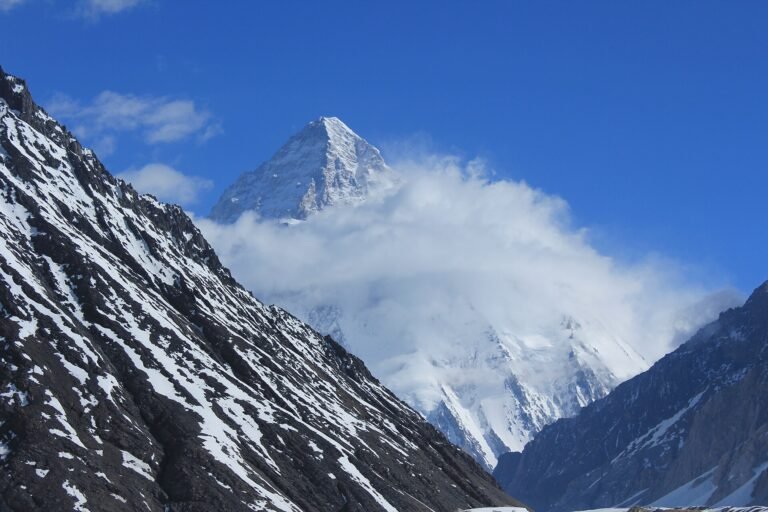
K2 Base Camp and Concordia Trek
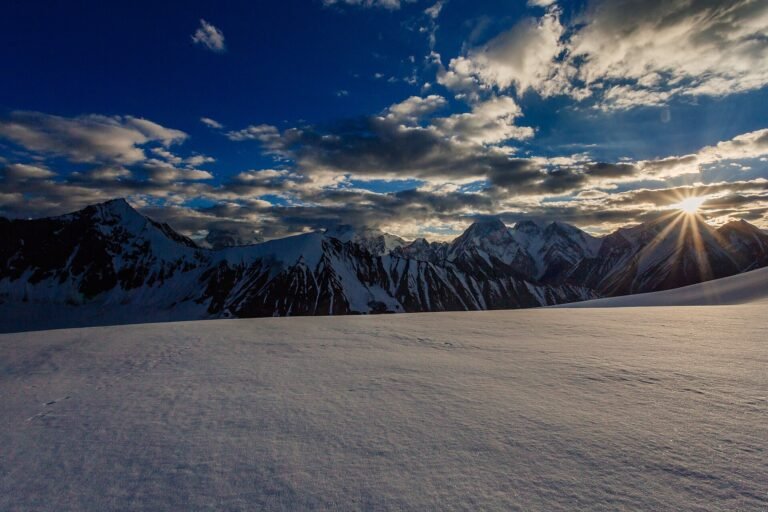
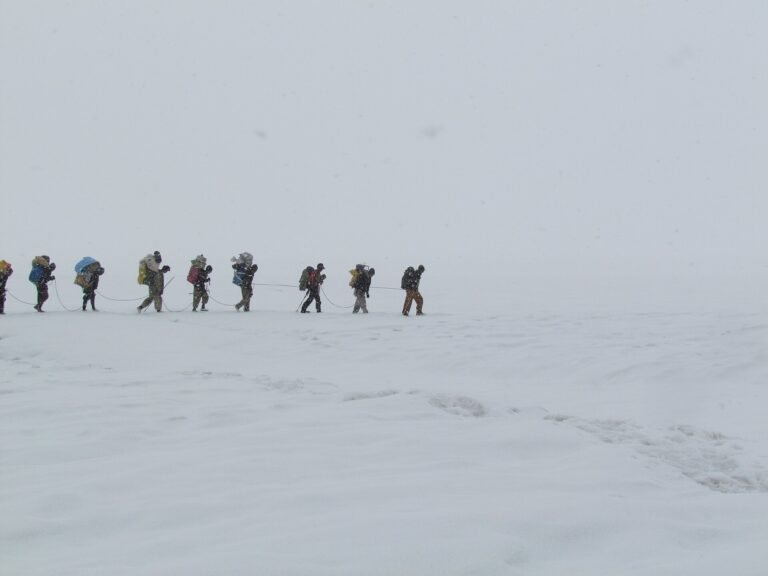
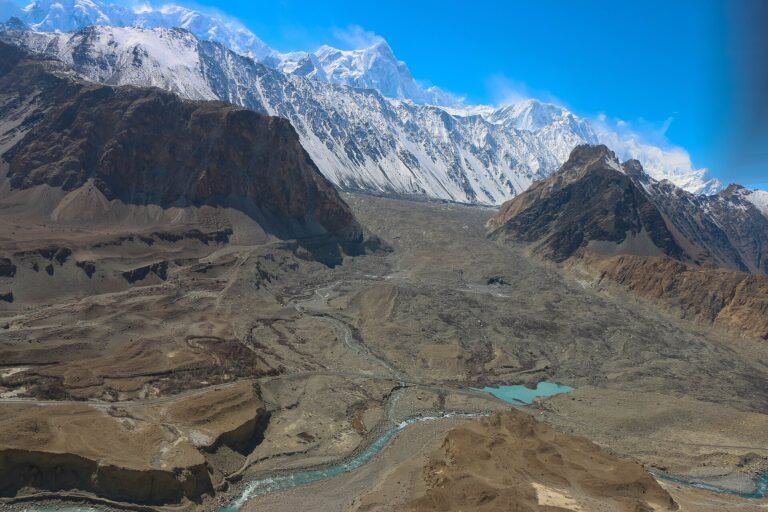
The classic Karakoram trek up the Baltoro Glacier to Concordia and the foot of K2, the second-highest mountain on earth.
StrenuousPermit requiredLate June to August
View trek details
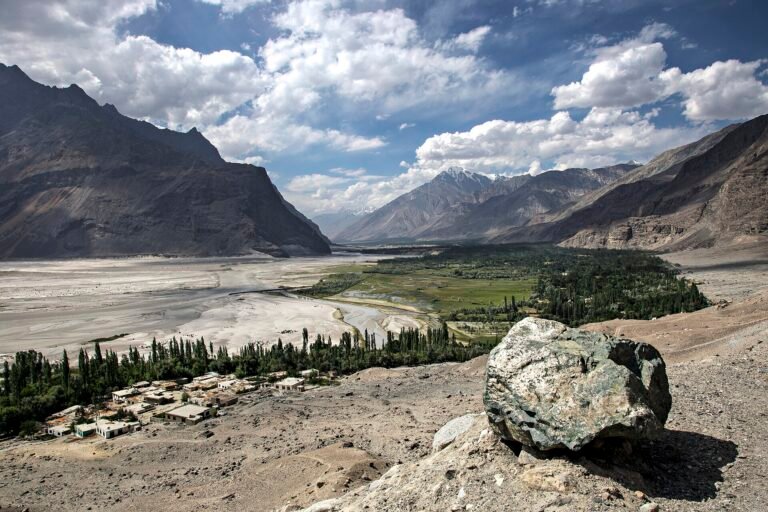
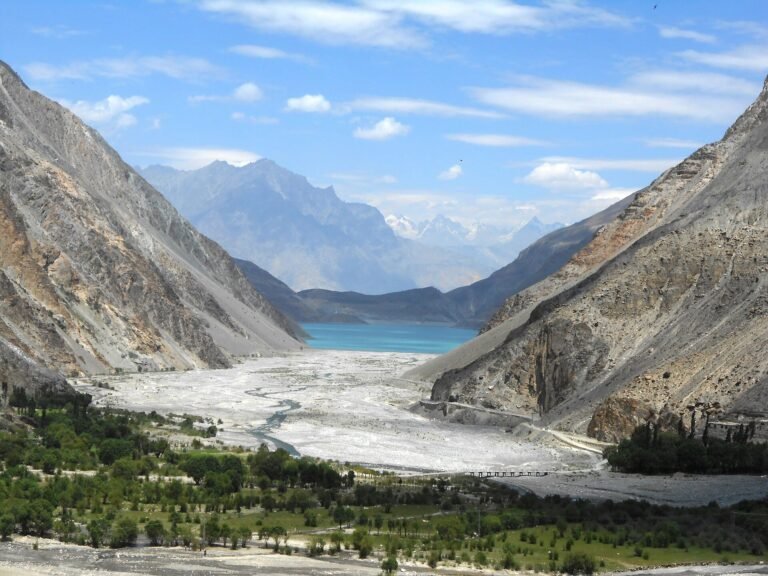
The home of K2 and the great Karakoram glaciers. Treks start from Skardu, from Askole in Shigar and from Hushe near Khaplu.
The classic Karakoram trek up the Baltoro Glacier to Concordia and the foot of K2, the second-highest mountain on earth.
The K2 Base Camp trek with a dramatic exit over the Gondogoro La, a 5,585 m glacier pass, down to the green Hushe valley.
A crossing of the Karakoram on two giant glaciers, the Biafo and the Hispar, joined by the Hispar La and the ice basin of Snow Lake.
A short trek from Hushe to the base of Masherbrum (7,821 m), with big mountain views for moderate effort.
A trek into the Charakusa valley, a climbers' valley of sharp granite peaks below K6 and K7.
A short trek to a high meadow ringed by huge granite walls, often compared to Yosemite.
A traditional route over the Thalle La that links the Shigar and Khaplu valleys through high pastures.
A steep climb from Skardu to the Burji La, a pass with a wide view of the Karakoram, then down onto the Deosai Plains.
A quiet trek above the Shyok valley to high pastures and a lake, with a viewpoint that looks across to K2 and the Baltoro peaks.
A glacier trek up the Chogolungma Glacier to the base camp of Spantik, the 7,027 m Golden Peak.
Gentle walks on one of the highest plateaus in the world, with wild flowers, clear streams and Sheosar Lake.
An easy forest and meadow walk in a quiet valley near Skardu, good for families and first-time trekkers.
A half-day hike above Skardu to a rock ledge that hangs over the valley, a favourite photo spot.
From short walks above Karimabad to long glacier and pasture routes in Gojal and Shimshal.
A glacier crossing and a steep climb to the Patundas ridge, a high meadow between the Passu and Batura glaciers.
A walk beside one of the longest glaciers outside the polar regions, through the summer pastures of the Wakhi people of Passu.
A week-long trek from Shimshal, the highest settlement in Hunza, to the yak pastures and lakes of the Shimshal Pass.
A trek to the Shimshal Pass followed by the climb of Minglik Sar, a 6,050 m snow peak that fit trekkers can reach with a guide.
A steep hike from Karimabad up the Ultar ravine to a shepherd meadow below Ultar Sar and Lady Finger.
An easy day walk in Upper Hunza linking Borith Lake, the edge of the Passu Glacier and the Hussaini suspension bridge.
Village-to-village walking in a remote Wakhi valley near the Wakhan Corridor, ending at the shrine of Baba Ghundi.
Our home valley. Glacier walks, high lakes and base camps below Rakaposhi, Diran and Golden Peak.
A scenic trek from Minapin to Tagafari, the base camp below the north face of Rakaposhi (7,788 m).
An extension of the Rakaposhi Base Camp trek across the Minapin Glacier to Kacheli and the foot of Diran (7,266 m).
A climb from our home valley of Hopar across two glaciers to Rush Lake, one of the highest alpine lakes in the world.
A short introduction to glacier trekking from Hopar, crossing the Bualtar Glacier to the pastures beside the Barpu Glacier.
Forest valleys, colourful lakes and quiet meadows within a short drive of Gilgit city.
Easy walking through pine forest to the coloured lakes of Naltar, close to Gilgit.
A classic crossing from the forests of Naltar over the Pakora Pass to the Ishkoman valley in Ghizer.
Green meadows, a glacier walk and quiet villages in Bagrote Valley, a little-visited valley close to Gilgit.
A trek to the meadows and lake of Kutwal, below the huge north face of Haramosh (7,409 m).
Long, quiet routes over the passes that link Ishkoman, Yasin and Phander, far from the main tourist trail.
A gentle high pass between the Ishkoman and Yasin valleys, through pastures used by Gujar and Wakhi shepherds.
A glacier pass from Yasin into the upper Yarkhun valley of Chitral, below the sharp peaks of the Thui range.
A long, remote trek up the Karambar valley to Karambar Lake, a large alpine lake at about 4,272 m on the edge of the Wakhan.
A short walk from the Phander valley to a clear trout lake set among meadows.
Three faces of the ninth-highest mountain on earth, reached from Diamer and from Astore.
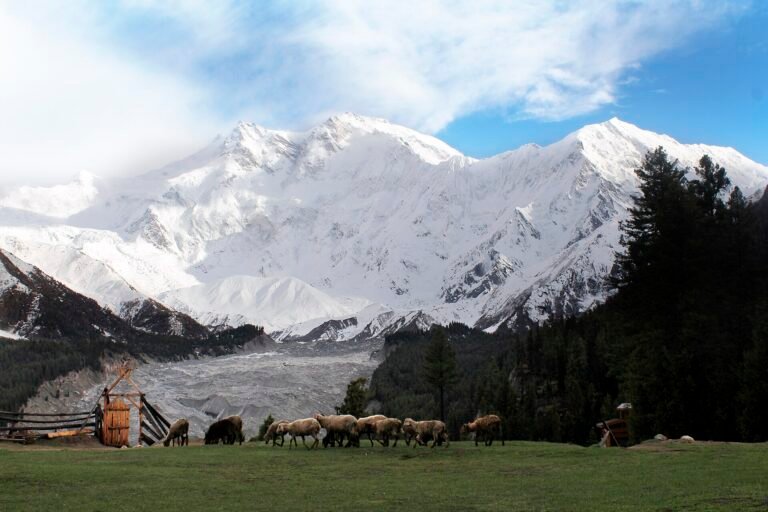
The best-known short trek in Pakistan: a forest walk to Fairy Meadows and on to the base camp below the Raikot Face of Nanga Parbat.
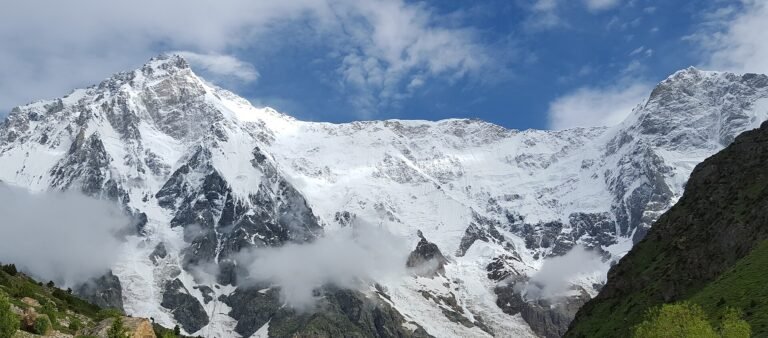
An easy trek from Tarashing to the meadows below the Rupal Face, one of the highest mountain walls in the world.
A demanding route from the Rupal valley over the Mazeno Pass to the Diamir side of Nanga Parbat.
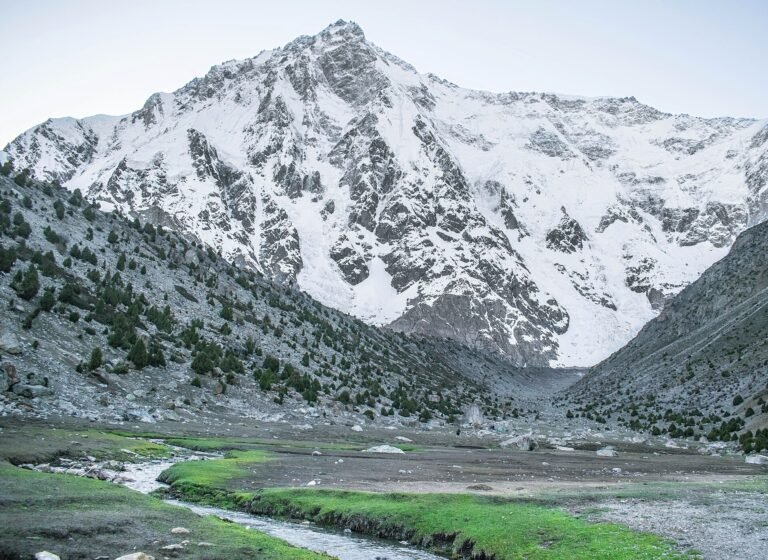
A trek up the Diamir valley to the base camp used by most climbing expeditions on Nanga Parbat.
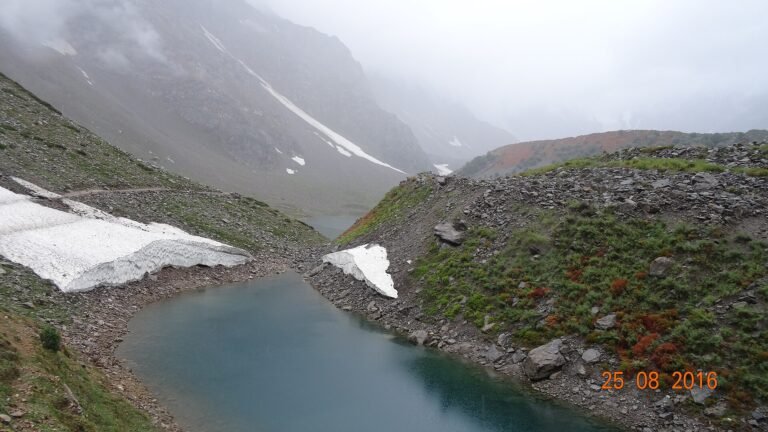
A short walk from the pine forest of Rama Meadows to Rama Lake, below the eastern side of Nanga Parbat.